
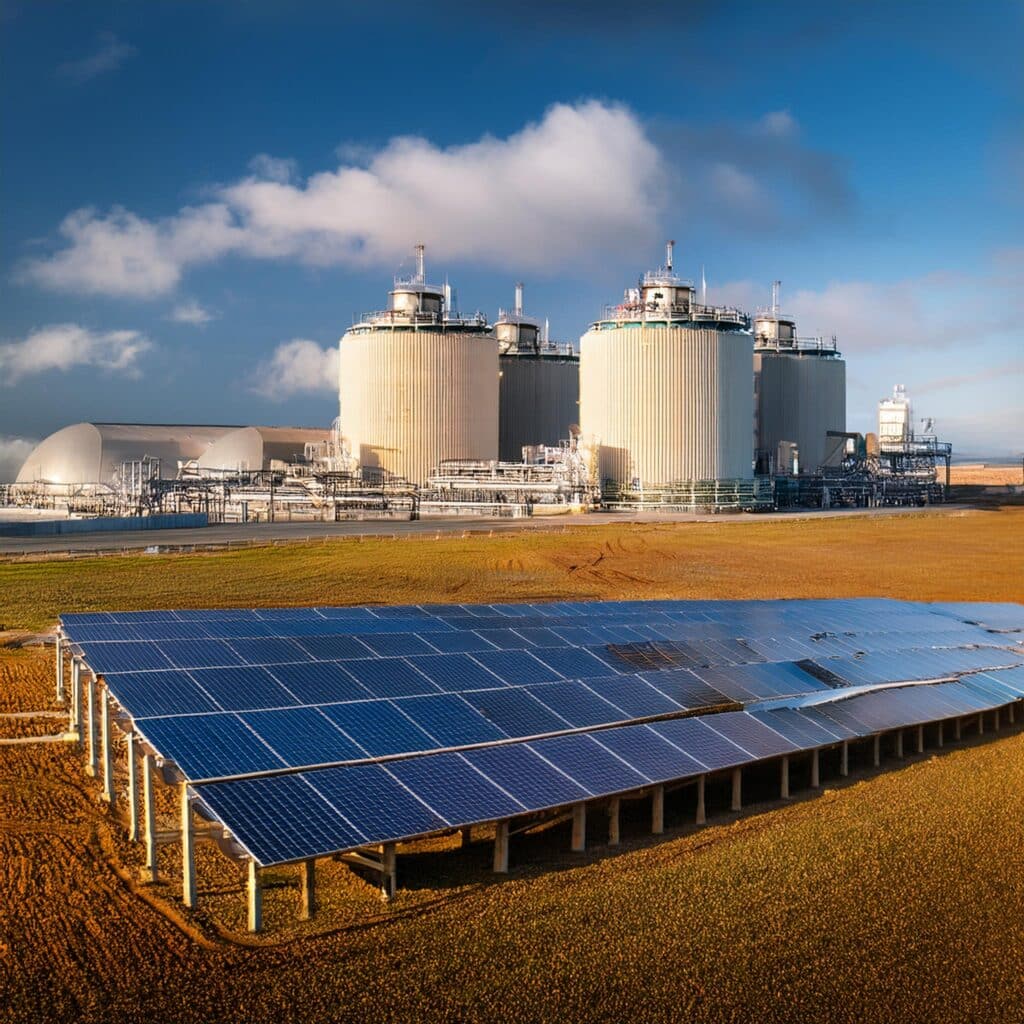
Asia is rapidly emerging as a leader in carbon capture and storage (CCS) technology. This growth is driven by the need to decarbonize hard-to-abate industries such as steel, petrochemicals, and liquefied natural gas (LNG). Countries like Malaysia and Indonesia are leading this effort by leveraging their geological advantages and existing infrastructure.
The Rise of CCS Hubs in Asia
Over the past two years, Asia has seen rapid growth in CCS hub projects. This trend reflects the region’s industrial needs and favorable geology for CO₂ storage. Southeast Asia offers some of the most cost-effective storage options in the Asia-Pacific region. This makes it an attractive destination for CCS investment.
Analysts estimate that CCS initiatives across Asia could attract up to $15 billion over the next decade. A large share of this investment is expected to flow into projects in Malaysia and Indonesia.
Key Projects in Malaysia
Malaysia is home to several ambitious CCS hub projects, spearheaded by state-owned company Petronas. The following are notable initiatives:
Eastern Hub
Located in Bintulu, this hub targets its first CO₂ injection by the end of 2028. It will have an initial capacity of 2 million tons per year.
Northern Hub
Situated in Kerteh on the east coast of Peninsular Malaysia, this hub aims for first injection by the end of 2028. Its target capacity is 5 million tons per year.
Southern Hub
Located in Kuantan, this project is scheduled to begin operations in 2029. It will have a capacity of 5 million tons per year.
Penyu Basin Hub
This offshore hub targets saline aquifers and is expected to start operations by 2030. It will also have a capacity of 5 million tons per year.
Together, these projects aim to capture CO₂ from local industries and provide storage for emissions from neighboring countries that lack suitable geological storage sites.
Indonesia’s CCS Initiatives
Indonesia is also making strides in CCS technology, with four major hubs currently in development. Noteworthy projects include:
Sunda Asri Basin Hub: A $2 billion initiative that could store up to 3 gigatons of CO2, utilizing both saline aquifers and depleted oil and gas fields.
Tangguh CCS Project: This project, with an injection cost of $33 per ton of CO2, aims to inject 2.5 to 3.3 million tons per year.
Abadi CCS Project: Similar to Tangguh, this initiative has a lower injection cost of $26 per ton and plans to inject 3.5 million tons per year.
These projects aim to decarbonize major industrial clusters, including the Cilegon steelmaking area, which currently emits around 47 million tons of CO₂ each year.
Economic and Environmental Implications
The development of CCS hubs in Asia addresses both environmental and economic goals. Countries such as Malaysia and Indonesia aim to monetize their large storage capacities in mature basins. This approach can attract foreign investment and create new revenue streams. These projects also support global decarbonization efforts by helping hard-to-abate sectors reduce emissions.
As companies in Japan, South Korea, and Singapore work to decarbonize, many are turning to Southeast Asia for CCS solutions. For example, Japan is expected to store a significant share of its CO₂ emissions overseas because it has limited domestic storage options. This has increased collaboration between Japanese firms and Malaysian CCS projects. Such cross-border partnerships are becoming essential for meeting regional and global decarbonization targets.
Conclusion
The emergence of CCS hubs in Asia represents a significant step towards sustainable industrial practices in the region. With the support of state-owned enterprises and international partnerships, Malaysia and Indonesia are positioning themselves as key players in the global CCS landscape. As these projects develop, they will not only contribute to reducing greenhouse gas emissions but also foster economic growth and innovation in the energy sector. The future of CCS in Asia looks promising, with the potential to play a crucial role in the global effort to combat climate change.
View upcoming training courses on Carbon Capture and Storage (CCS or CCUS) here
