| Code | Date | Format | Currency | Team of 10 Per Person* |
Team of 7 Per Person* |
Early Bird Fee Per Person |
Normal Fee Per Person |
|---|---|---|---|---|---|---|---|
| PWR1490 | 13 - 15 Jul 2026 | Kuala Lumpur, Malaysia | SGD | 3,697 | 3,869 | 4,099 | 4,299 |
| PWR1490 | 13 - 15 Jul 2026 | Kuala Lumpur, Malaysia | USD | 2,923 | 3,059 | 3,199 | 3,399 |
*Fee per person in a team of 7 or 10 participating from the same organisation, registering 6 weeks before the course dateRequest for a quote if you have different team sizes, content customisation, alternative dates or course timing requirements Request for in-person classroom training or online (VILT) training format
Learn in teams and save more! Enjoy group discounts of up to 50% off normal fees for team based learning. Contact us on [email protected] to learn more today!
Code
PWR1490Date
13 - 15 Jul 2026Format
Kuala Lumpur, MalaysiaCurrency
SGDTeam of 10
Per Person*
3,697
Team of 7
Per Person*
3,869
Early Bird Fee
Per Person
4,099
Normal Fee
Per Person
4,299
Code
PWR1490Date
13 - 15 Jul 2026Format
Kuala Lumpur, MalaysiaCurrency
USDTeam of 10
Per Person*
2,923
Team of 7
Per Person*
3,059
Early Bird Fee
Per Person
3,199
Normal Fee
Per Person
3,399
*Fee per person in a team of 7 or 10 participating from the same organisation, registering 6 weeks before the course dateRequest for a quote if you have different team sizes, content customisation, alternative dates or course timing requirements Request for in-person classroom training or online (VILT) training format
About this Training Course
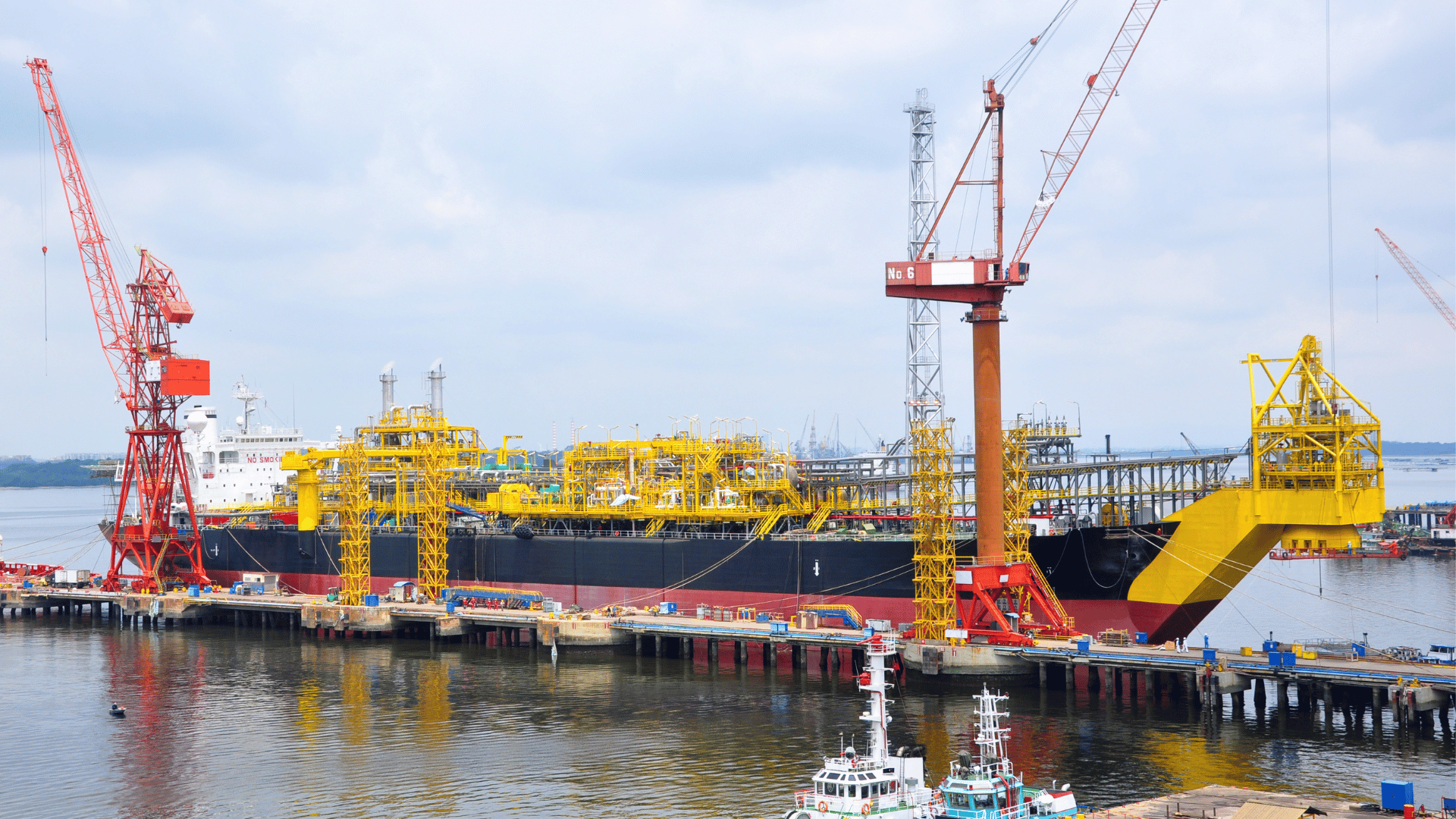
The offshore wind industry presents a significant opportunity for conventional utilities seeking growth, diversification, and a path toward decarbonization. This has been driven by aggressive global climate goals and technological maturity. Even though the global offshore wind sector is characterised by strong growth and strategic technological advancement, the real challenges in the offshore wind sector are currently dominated by a severe confluence of macroeconomic pressures and supply chain constraints.
This industry has been hit by a sharp Levelized Cost of Electricity due to surging inflation, rising raw material costs (especially for steel and rare earth elements), and higher interest rates that drastically increase the cost of financing multi-billion-dollar projects, leading to project cancellations and impairments. This financial instability is compounded by a critical supply chain bottleneck that drives up installation costs and extends construction timelines.
This comprehensive 3-day training emphasis commercial viability and risk management across the full project lifecycle from early-stage technical feasibility to securing project financing. Participants will be able to translates complex technical and commercial risks into clear, actionable investment decisions. Participants will gain critical insight into optimisation, global policy drivers, and the key factors that unlock sustainable value and competitive advantage in new offshore wind markets.
By the end of this 3 days training course, participants will be able to:
- Understand the key components, technologies, and value chain of offshore wind projects.
- Describe the full project lifecycle from site selection to long-term operations.
- Identify key stakeholders, market trends, and supply chain dynamics.
- Evaluate project economics, risk management, and financing models.
- Analyse global market development and policy drivers shaping the future of offshore wind.
This course has been designed for professionals working in the energy sector looking to further develop their careers to keep up to date on emerging technologies.
- Operating Officers identifying the insight into strategic market entry, major capital allocation, and long-term business model diversification.
- Corporate Strategy & Development manager responsible in identify, evaluate, and structure large-scale acquisition and Joint Venture (JV) opportunities in the offshore market.
- Heads of Investor Relations/ESG exploring offshore wind investments contribute to the company’s decarbonisation targets and improve their Environmental, Social, and Governance (ESG) ratings for investors.
- Financial Analysts and Investment Managers specialising financial models of offshore wind.
- Commercial Mangers and Power Traders looking into the dynamics of offshore power off-take, integration into wholesale power markets, and risk management related to intermittency.
- Regulatory Affairs Officers working on permitting process, grid interconnection requirements, and policy mechanisms (state/federal targets) driving the market.
- Basic
- Intermediate
This course will provide comprehensive learning resources, including course materials for future reference. Each topic will commence with a clearly defined intended learning outcome (LO). The learning experience will be enriched through diverse activities such as quizzes, videos, and assessments, ensuring engagement and understanding. In addition to the core material, participants will have access to additional resources like articles, case studies, and tools. The course structure incorporates interactive elements, such as group discussions, case studies, and practical exercises, enhancing hands-on learning experiences. Q&A sessions will provide opportunities for clarifications and deeper understanding.
Your Expert Course Instructor 1 (In-Person)
Your expert course instructor’s expertise is mainly in Bankability and Commercial Risk. He active in the offshore wind industry since 2015. He has delivered technical advisory services for projects worldwide, with a dedicated focus on emerging APAC markets since 2018. They bring a proven track record in leading technical due diligence (DD) activities that have directly supported successful project financing in Vietnam, Japan, and Taiwan. Their expertise includes a strong understanding of project scheduling fundamentals, encompassing all key interfacing packages that influence contractual exposure, supply chain risks, and financial assumptions. In addition, they have led a full pre-feasibility study for a large-scale offshore wind project in Vietnam, with hands-on involvement in developing robust cost and schedule assumptions based on early-stage findings.
Your Expert Course Instructor 2 (Virtual Instructor)
Your expert course instructor’s expertise is mainly in Engineering Design and Certification with over 12 years of global experience across the development, design, construction, and operation of offshore energy assets, the expert has contributed to more than 15 GW of offshore wind projects worldwide. They have led the technical delivery of multiple offshore wind feasibility studies and acted as a key technical expert on over 30 projects, including technical due diligence and Owner’s Engineer mandates. His expertise includes engineering review of site conditions covering ground, seismic, and metocean assessments as well as the evaluation of wind turbine generator (WTG) foundation novel technologies and offshore installation methods, such as XXXL monopiles, jacket structures, suction caissons, floating solutions, gravity-based structures, and jack-up vessels. This is supported by a strong and well-established background in comprehensive site conditions assessment.
Your Expert Course Instructor 3 (Virtual Instructor)
Your expert course instructor’s expertise is on Wind Resource Assessment. She is an Engineering Leader with over 13 years of experience in the wind industry, bringing deep expertise in fluid simulation, wind resource assessment, and project management. She served as Head of Support at WindSim, where she led a technical support team delivering high-quality advisory services and professional training to global clients. Earlier in her career, she held roles as Senior Project Engineer and Project Engineer at WindSim China, contributing directly to a wide range of wind farm projects while actively supporting industry engagement and knowledge sharing through technical events.
Your Expert Course Instructor 4 (Virtual Instructor)
Your expert course instructor’s expertise is in Offshore Logistics, Cost Modelling and Project Management. He is active in the offshore wind industry since 2015, he has worked across research and development, project development, and operational phases of offshore wind projects. He brings strong technical expertise in delivering accessibility, metocean, and condition monitoring studies for offshore wind developers, supporting informed design and operational decisions. His experience includes developing in-house tools to estimate foundation mass and costs during the development phase, enhancing cost certainty at early project stages. This is complemented by an in-depth understanding of offshore logistics and leading operations and maintenance (O&M) planning practices, enabling robust cost modelling and accurate operational cost profiles over the project lifecycle.
Unlock the potential of your workforce with customized in-house training programs designed specifically for the energy sector. Our tailored, in-house courses not only enhance employee skills and engagement but also offer significant cost savings by eliminating travel expenses. Invest in your team’s success and achieve specific outcomes aligned with your organization’s goals through our expert training solutions. Request for further information regarding our on-site or in-house training opportunities.
In our ongoing commitment to sustainability and environmental responsibility, we will no longer providing hard copy training materials. Instead, all training content and resources will be delivered in digital format. Inspired by the oil and energy industry’s best practices, we are leveraging on digital technologies to reduce waste, lower our carbon emissions, ensuring our training content is always up-to-date and accessible. Click here to learn more.
To further optimise your learning experience from our courses, we also offer individualized “One to One” coaching support for 2 hours post training. We can help improve your competence in your chosen area of interest, based on your learning needs and available hours. This is a great opportunity to improve your capability and confidence in a particular area of expertise. It will be delivered over a secure video conference call by one of our senior trainers. They will work with you to create a tailor-made coaching program that will help you achieve your goals faster.
Request for further information post training support and fees applicable


Offshore wind project viability describes whether a wind farm at sea can operate successfully from technical, financial, and regulatory perspectives. Developers analyze wind resources, seabed conditions, construction costs, and expected electricity revenues. They also review financing terms and long-term operating expenses. If projected revenue exceeds total lifecycle costs, the project becomes economically feasible. In practice, viability reflects the balance between engineering feasibility, financial returns, and long-term operational performance.
Offshore wind plays a major role in reducing carbon emissions from electricity generation. Coastal wind speeds are usually stronger and more consistent than those on land. As a result, offshore turbines often generate more electricity. In addition, large projects can supply power to densely populated coastal regions. Because many countries want to reduce fossil fuel dependence, governments increasingly invest in offshore wind development as part of broader renewable energy strategies.
Several technical and financial factors influence offshore wind project viability. Wind resource quality strongly affects annual energy production. Capital expenditure also plays a major role because turbines, foundations, and installation vessels require large investments. In addition, financing conditions and interest rates affect project returns. Grid connection availability and electricity pricing mechanisms also shape profitability. Therefore, developers must evaluate both engineering performance and long-term revenue stability.
Offshore wind projects typically move through several stages. First, developers identify potential sites and conduct wind resource assessments. Next, they perform environmental studies and seabed surveys. After securing permits, engineers design the turbines, foundations, and electrical systems. Developers then arrange project financing before construction begins. Installation includes turbine assembly, cable deployment, and grid connection. Finally, the wind farm enters long-term operations and maintenance, which can last 20–30 years.
The Levelized Cost of Electricity (LCOE) measures the average cost of producing electricity over a project’s entire lifecycle. It includes capital investment, financing costs, operations, and maintenance expenses. Developers compare the LCOE with expected electricity market prices or contracted tariffs. If revenue exceeds the calculated cost, the project becomes financially attractive. Because offshore wind projects require high upfront investment, reducing LCOE is essential for improving project feasibility.
Offshore wind farms benefit from stronger and more stable wind speeds. Therefore, turbines typically produce higher energy output than many onshore installations. Developers can also install larger turbines and build projects at greater scale. In addition, offshore locations reduce land-use conflicts and visual impacts near residential areas. These advantages often improve overall project economics, especially in countries with limited onshore renewable energy potential.
Several trends may strengthen offshore wind project viability in the coming years. Turbine manufacturers continue to develop larger turbines that generate more electricity per installation. Floating wind technology also allows development in deeper waters where fixed foundations are not practical. At the same time, digital monitoring systems improve maintenance planning and operational efficiency. As supply chains mature and project sizes grow, overall costs may decline further.
Related Courses