| Code | Date | Format | Currency | Team of 10 Per Person* |
Team of 7 Per Person* |
Early Bird Fee Per Person |
Normal Fee Per Person |
|---|---|---|---|---|---|---|---|
| PD930 | 08 - 10 Dec 2026 | Kuala Lumpur, Malaysia | SGD | 4,557 | 4,769 | 5,099 | 5,299 |
| PD930 | 08 - 10 Dec 2026 | Kuala Lumpur, Malaysia | USD | 3,611 | 3,779 | 3,999 | 4,199 |
| PD930 | 08 - 10 Dec 2026 | Singapore | SGD | 4,643 | 4,859 | 5,199 | 5,399 |
| PD930 | 08 - 10 Dec 2026 | Abu Dhabi, United Arab Emirates | USD | 4,557 | 4,769 | 5,099 | 5,299 |
| PD930 | 08 - 10 Dec 2026 | Amsterdam, Netherlands | USD | 3,697 | 3,869 | 4,099 | 4,299 |
| PD930 | 08 - 10 Dec 2026 | Jakarta, Indonesia | USD | 3,267 | 3,419 | 3,599 | 3,799 |
| PD977 | 26 - 28 Jan 2027 | Kuala Lumpur, Malaysia | SGD | 4,557 | 4,769 | 5,099 | 5,299 |
| PD977 | 26 - 28 Jan 2027 | Kuala Lumpur, Malaysia | USD | 3,611 | 3,779 | 3,999 | 4,199 |
| PD977 | 26 - 28 Jan 2027 | Singapore | SGD | 4,643 | 4,859 | 5,199 | 5,399 |
| PD977 | 26 - 28 Jan 2027 | Abu Dhabi, United Arab Emirates | USD | 4,557 | 4,769 | 5,099 | 5,299 |
| PD977 | 26 - 28 Jan 2027 | Amsterdam, Netherlands | USD | 3,697 | 3,869 | 4,099 | 4,299 |
| PD977 | 26 - 28 Jan 2027 | Jakarta, Indonesia | USD | 3,267 | 3,419 | 3,599 | 3,799 |
| PD978 | 20 - 22 Apr 2027 | Kuala Lumpur, Malaysia | SGD | 4,557 | 4,769 | 5,099 | 5,299 |
| PD978 | 20 - 22 Apr 2027 | Kuala Lumpur, Malaysia | USD | 3,611 | 3,779 | 3,999 | 4,199 |
| PD978 | 20 - 22 Apr 2027 | Singapore | USD | 4,643 | 4,859 | 5,199 | 5,399 |
| PD978 | 20 - 22 Apr 2027 | Abu Dhabi, United Arab Emirates | USD | 4,557 | 4,769 | 5,099 | 5,299 |
| PD978 | 20 - 22 Apr 2027 | Amsterdam, Netherlands | USD | 3,697 | 3,869 | 4,099 | 4,299 |
| PD978 | 20 - 22 Apr 2027 | Jakarta, Indonesia | USD | 3,267 | 3,419 | 3,599 | 3,799 |
*Fee per person in a team of 7 or 10 participating from the same organisation, registering 6 weeks before the course dateRequest for a quote if you have different team sizes, content customisation, alternative dates or course timing requirements Request for in-person classroom training or online (VILT) training format
Learn in teams and save more! Enjoy group discounts of up to 50% off normal fees for team based learning. Contact us on [email protected] to learn more today!
Code
PD930Date
08 - 10 Dec 2026Format
Kuala Lumpur, MalaysiaCurrency
SGDTeam of 10
Per Person*
4,557
Team of 7
Per Person*
4,769
Early Bird Fee
Per Person
5,099
Normal Fee
Per Person
5,299
Code
PD930Date
08 - 10 Dec 2026Format
Kuala Lumpur, MalaysiaCurrency
USDTeam of 10
Per Person*
3,611
Team of 7
Per Person*
3,779
Early Bird Fee
Per Person
3,999
Normal Fee
Per Person
4,199
Code
PD930Date
08 - 10 Dec 2026Format
SingaporeCurrency
SGDTeam of 10
Per Person*
4,643
Team of 7
Per Person*
4,859
Early Bird Fee
Per Person
5,199
Normal Fee
Per Person
5,399
Code
PD930Date
08 - 10 Dec 2026Format
Abu Dhabi, United Arab EmiratesCurrency
USDTeam of 10
Per Person*
4,557
Team of 7
Per Person*
4,769
Early Bird Fee
Per Person
5,099
Normal Fee
Per Person
5,299
Code
PD930Date
08 - 10 Dec 2026Format
Amsterdam, NetherlandsCurrency
USDTeam of 10
Per Person*
3,697
Team of 7
Per Person*
3,869
Early Bird Fee
Per Person
4,099
Normal Fee
Per Person
4,299
Code
PD930Date
08 - 10 Dec 2026Format
Jakarta, IndonesiaCurrency
USDTeam of 10
Per Person*
3,267
Team of 7
Per Person*
3,419
Early Bird Fee
Per Person
3,599
Normal Fee
Per Person
3,799
Code
PD977Date
26 - 28 Jan 2027Format
Kuala Lumpur, MalaysiaCurrency
SGDTeam of 10
Per Person*
4,557
Team of 7
Per Person*
4,769
Early Bird Fee
Per Person
5,099
Normal Fee
Per Person
5,299
Code
PD977Date
26 - 28 Jan 2027Format
Kuala Lumpur, MalaysiaCurrency
USDTeam of 10
Per Person*
3,611
Team of 7
Per Person*
3,779
Early Bird Fee
Per Person
3,999
Normal Fee
Per Person
4,199
Code
PD977Date
26 - 28 Jan 2027Format
SingaporeCurrency
SGDTeam of 10
Per Person*
4,643
Team of 7
Per Person*
4,859
Early Bird Fee
Per Person
5,199
Normal Fee
Per Person
5,399
Code
PD977Date
26 - 28 Jan 2027Format
Abu Dhabi, United Arab EmiratesCurrency
USDTeam of 10
Per Person*
4,557
Team of 7
Per Person*
4,769
Early Bird Fee
Per Person
5,099
Normal Fee
Per Person
5,299
Code
PD977Date
26 - 28 Jan 2027Format
Amsterdam, NetherlandsCurrency
USDTeam of 10
Per Person*
3,697
Team of 7
Per Person*
3,869
Early Bird Fee
Per Person
4,099
Normal Fee
Per Person
4,299
Code
PD977Date
26 - 28 Jan 2027Format
Jakarta, IndonesiaCurrency
USDTeam of 10
Per Person*
3,267
Team of 7
Per Person*
3,419
Early Bird Fee
Per Person
3,599
Normal Fee
Per Person
3,799
Code
PD978Date
20 - 22 Apr 2027Format
Kuala Lumpur, MalaysiaCurrency
SGDTeam of 10
Per Person*
4,557
Team of 7
Per Person*
4,769
Early Bird Fee
Per Person
5,099
Normal Fee
Per Person
5,299
Code
PD978Date
20 - 22 Apr 2027Format
Kuala Lumpur, MalaysiaCurrency
USDTeam of 10
Per Person*
3,611
Team of 7
Per Person*
3,779
Early Bird Fee
Per Person
3,999
Normal Fee
Per Person
4,199
Code
PD978Date
20 - 22 Apr 2027Format
SingaporeCurrency
USDTeam of 10
Per Person*
4,643
Team of 7
Per Person*
4,859
Early Bird Fee
Per Person
5,199
Normal Fee
Per Person
5,399
Code
PD978Date
20 - 22 Apr 2027Format
Abu Dhabi, United Arab EmiratesCurrency
USDTeam of 10
Per Person*
4,557
Team of 7
Per Person*
4,769
Early Bird Fee
Per Person
5,099
Normal Fee
Per Person
5,299
Code
PD978Date
20 - 22 Apr 2027Format
Amsterdam, NetherlandsCurrency
USDTeam of 10
Per Person*
3,697
Team of 7
Per Person*
3,869
Early Bird Fee
Per Person
4,099
Normal Fee
Per Person
4,299
Code
PD978Date
20 - 22 Apr 2027Format
Jakarta, IndonesiaCurrency
USDTeam of 10
Per Person*
3,267
Team of 7
Per Person*
3,419
Early Bird Fee
Per Person
3,599
Normal Fee
Per Person
3,799
*Fee per person in a team of 7 or 10 participating from the same organisation, registering 6 weeks before the course dateRequest for a quote if you have different team sizes, content customisation, alternative dates or course timing requirements Request for in-person classroom training or online (VILT) training format
About this Classroom Training
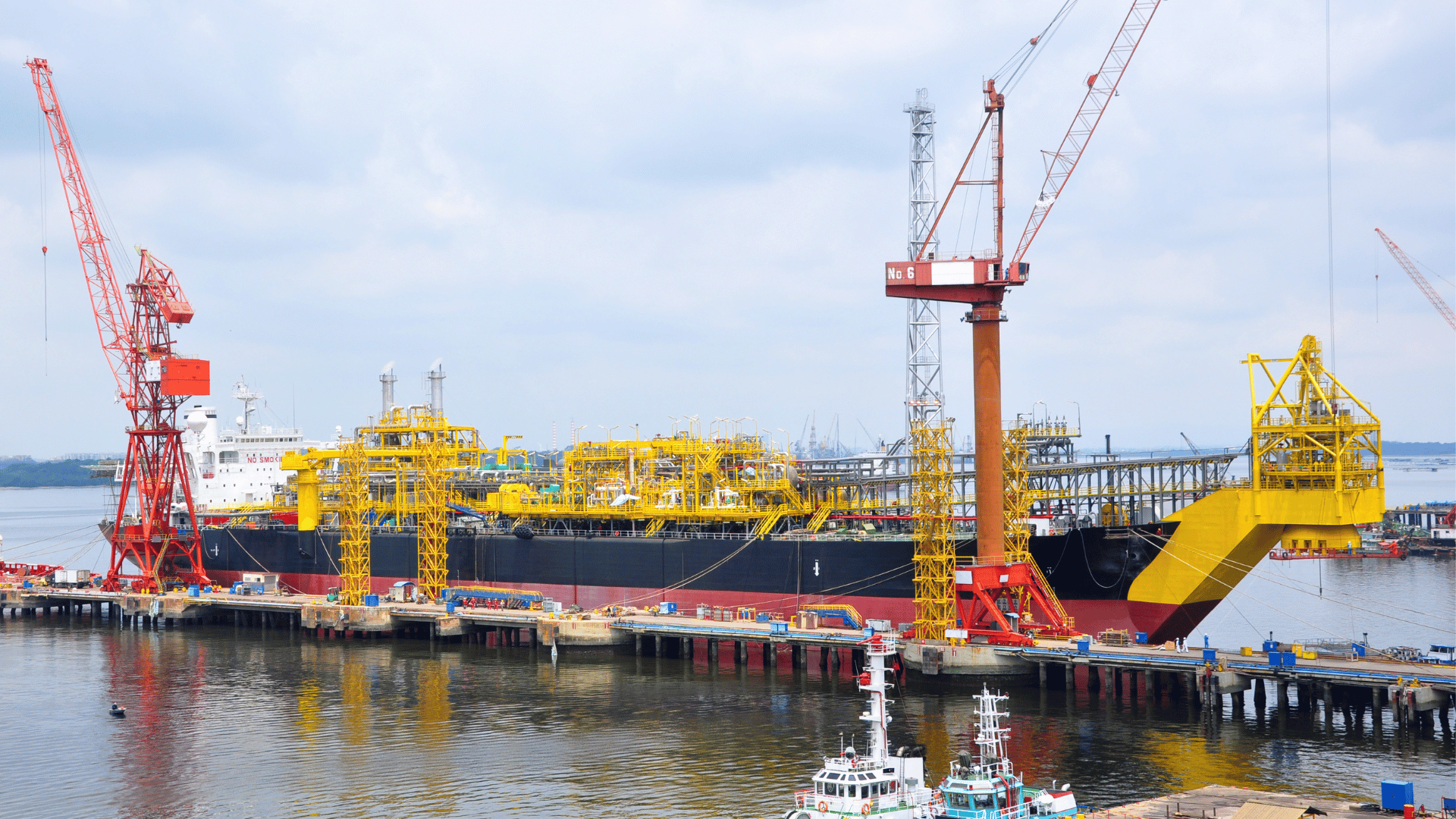
In coming years, IMO will be officially adopting the world’s largest Emission Control Area (ECA) covering a near continuous belt across the entire Northern Hemisphere’s shipping corridor. This ECA will mandate the NOx Tier III emission limit (80% above Tier I and 20% above Tier II). Consequently, the global maritime sector is undergoing a profound energy transition, and methanol has rapidly emerged as a leading alternative fuel, offering a viable, clean-burning pathway to meet these stringent environmental regulations and the NOx Tier III requirement. The methanol transition is no longer a trend, materialising to actual fleet orders from eight major global carriers with orders of almost 270 methanol powered ships. The adoption methanol which can be produced from renewable and sustainable sources, meets this new ECA’s SOx, PM and the stricter NOx Tier III emission requirements and is expected to become one of the rapidly growing primary alternative fuels.
This 3-day comprehensive classroom training course is meticulously designed to equip all marine personnel, engineers, operation, and management with the critical, practical expertise required to handle methanol safely and efficiently, with a specialised and deep focus on modern bunkering operations. Participants will gain a fundamental understanding and a step-by-step approach in methanol bunkering, covering the essential properties of methanol and the specific procedures required for its safe handling. Drawing directly from authoritative sources, including industry best practices and technical and operational advisory reports, the training provides vital, specific instruction necessary for compliant operations.
The curriculum focuses heavily on the safety measures needed to mitigate methanol’s distinct risks, including managing hazards associated with its low flashpoint and its environmental effects, thereby ensuring strict adherence to all IMO Safety and Environmental Requirements. Furthermore, this practical focus extends to mitigating hazards during complex Simultaneous Operations (SIMOPS), and mastering the use of critical safety systems such as Emergency Shut Down (ESD) Systems and Emergency Release Couplings (ERC). By the end of this course, personnel will be fully capable of maintaining safe, compliant, and efficient methanol bunkering operations, minimising operational risks and contributing effectively to the sector’s reliable adoption of this alternative marine fuel.
This course will be delivered via classroom for 3-day sessions, comprising of 1 hour lunch and 2 breaks of 15 minutes per day. Course Duration: 19.50 hours in total, 19.50 CPD points.
By the end of this 3 day classroom training course, participants will be able to:
- Identify the properties, hazards, and operational considerations of methanol as a marine fuel.
- Understand methanol production, supply chain, bunkering infrastructure, and onboard fuel systems.
- Apply safe bunkering procedures, risk assessments, and emergency response protocols.
- Recognise applicable IMO regulations, industry standards, and compliance requirements.
- Evaluate retrofit, engine technology, and technical integration requirements for methanol-powered vessels.
- Assess commercial viability, insurance, and operational risk factors for methanol adoption.
- Analyse practical case studies and real-world methanol bunkering scenarios to strengthen safe and efficient operations.
This course has been designed for professionals working in the energy sector looking to further develop their careers to keep up to date on emerging technologies.
- Ship Masters and Chief Officers accountable in command, regulatory compliance oversight, communication protocols, and executing the Methanol Bunkering Management Plan and pre-bunkering verification checks.
- Chief Engineers, Second Engineers, and Engine Room Personnel responsible for the operation and maintenance of the Methanol Containment System, associated transfer equipment (loading arms, hoses, couplings), and ensuring the correct functioning of safety systems like ESD (Emergency Shut Down) Systems and ERC (Emergency Release Couplings).
- Vessel Management expertise functioning for overall operational safety, crew competency, fleet regulatory compliance, and the implementation of Industry Best Practices across the fleet.
- Bunker Barge Masters directly participating in the supply side of Ship-to-Ship or Terminal-to-Ship transfers, focusing on managing the bunkering interface, transfer rates, and ensuring safe Simultaneous Operations (SIMOPS).
- Bunkering Surveyors, Marine Surveyors, and Inspectors ensuring compliance with IMO Safety Requirements for low-flashpoint fuels, confirm the accuracy of transferred quantities and quality, and safeguard the proper completion of essential documentation.
- HSE (Health, Safety & Environment) Officers conducting formal Risk Assessments, defining and enforcing specific Emergency Response protocols for methanol spills and fires, and warranting personnel safety standards are met.
- Port State officials planning to develop methanol fuel infrastructure for their country.
- Basic
- Intermediate
This course will provide comprehensive learning resources, including course materials for future reference. Each topic will commence with a clearly defined intended learning outcome (LO). The learning experience will be enriched through diverse activities such as quizzes, videos, role plays and assessments, ensuring engagement and understanding. In addition to the core material, participants will have access to additional resources like articles, examples, and tools. The course structure incorporates interactive elements, such as group discussions, case studies, and practical exercises, enhancing hands-on learning experiences. Q&A sessions will provide opportunities for clarifications and deeper understanding.
Unlock the potential of your workforce with customized in-house training programs designed specifically for the energy sector. Our tailored, in-house courses not only enhance employee skills and engagement but also offer significant cost savings by eliminating travel expenses. Invest in your team’s success and achieve specific outcomes aligned with your organization’s goals through our expert training solutions. Request for further information regarding our on-site or in-house training opportunities.
In our ongoing commitment to sustainability and environmental responsibility, we will no longer providing hard copy training materials. Instead, all training content and resources will be delivered in digital format. Inspired by the oil and energy industry’s best practices, we are leveraging on digital technologies to reduce waste, lower our carbon emissions, ensuring our training content is always up-to-date and accessible. Click here to learn more.


Methanol bunkering refers to the transfer of methanol from a supply source such as a truck, terminal, or bunker vessel to a ship for use as marine fuel. It is gaining momentum because methanol offers a low-carbon pathway and supports the IMO’s stricter GHG and air-emission reduction goals. As a low-flashpoint fuel producible from renewable sources, methanol provides a practical transition option for decarbonising existing and future fleets.
Methanol is easy to store as a liquid at ambient temperature, widely available, and compatible with existing fuel infrastructure with some modifications. It burns cleanly, reducing NOₓ, SOₓ, and particulate matter emissions, and can be synthesised from renewable feedstocks to lower lifecycle carbon impact. Although its energy density is lower than conventional fuels, its operational familiarity and lower technical complexity make it a strong near-term alternative.
Methanol presents several hazards due to its low flashpoint, high flammability, toxicity through inhalation or skin absorption, and potential for invisible flame during ignition. It is also miscible with water, increasing spill-dispersion risks. These properties require strict hazard identification, specialised PPE, and robust emergency response protocols during bunkering and storage operations.
Key safety systems include Emergency Shutdown (ESD) systems, Emergency Release Couplings (ERC), and vapour return lines to prevent over-pressure. Proper loading arms, compatible hoses, and certified couplings ensure safe connection between supply and receiving vessels. Ships must also follow a formal Methanol Bunkering Management Plan and maintain continuous monitoring, communication, inerting, and purging procedures throughout the transfer.
SIMOPS (Simultaneous Operations) occur when bunkering is performed alongside other shipboard activities, such as cargo handling or maintenance. In methanol bunkering, SIMOPS magnify risks because multiple operations can introduce ignition sources, increase personnel exposure, and complicate emergency responses. Effective risk assessment, clearly defined roles, and strict procedural coordination are essential to maintain safety during SIMOPS.
Risk assessment begins with identifying methanol-specific hazards, analyzing severity and likelihood, and establishing measurable control measures. This includes evaluating ignition risks, equipment failure, transfer interface issues, and SIMOPS-related interactions. Effective assessments incorporate checklists, verification steps, and scenario-based emergency drills. They also align with IMO regulatory requirements for low-flashpoint fuels.
Methanol bunkering is guided by IMO Safety Requirements for low-flashpoint fuels (including the IGF Code), IMO environmental regulations for fuel quality and sulphur compliance, and relevant industry standards and class society rules. Operators must secure approvals from regulatory organisations and adhere to documentation requirements such as Bunker Delivery Notes (BDN) and vessel-specific safety manuals.
Operations typically include pre-bunkering verification, equipment compatibility checks, communication setup, inerting and purging, controlled transfer rate management, and continuous monitoring of pressures and levels. Post-bunkering steps include documentation, line-clearing, and safe disconnection of equipment. Structured procedures ensure compliance and mitigate risks associated with methanol’s low flashpoint.
Ship-to-Ship (STS) bunkering involves transfer between a bunker vessel and receiving ship, requiring careful manoeuvring and interface management. Truck-to-Ship (TTS) uses road tankers and is often simpler but limited in volume. Terminal-to-Ship (T2S) utilises fixed shore infrastructure, suitable for high-capacity transfers. Each method requires specific safety checks, hose arrangements, and communication protocols.
Demand for methanol as a marine fuel is projected to grow rapidly as more shipowners commit to low-carbon compliance strategies and dual-fuel tonnage expands. Advancements in green methanol production, improvements in bunkering infrastructure, and evolving IMO regulations will accelerate adoption. Increased standardisation and incident-based learning will further enhance safety and operational maturity.
Learn what past participants have said about EnergyEdge training courses
I thoroughly enjoyed attending and participating in the classroom course that was led over 2 days. The materials were presented in a concise and clear manner with excellent examples and industry insights. I hope to attend another course by this expert in the near future.
General Manager, Wartsila North America.
Flexibility of instruction, adding extra focus to areas of expressed interest by attendees.
Vessel Data Manager, Nautilus Labs.
Many thanks for sharing expert knowledge and experience. It is valuable in our learning process. I also appreciate that the trainer shared his own concise content related checklist for both sea and shore. Many thanks.
Senior Operator, Dubai Petroleum, LNG Terminal.
Related Courses