About this Training Course
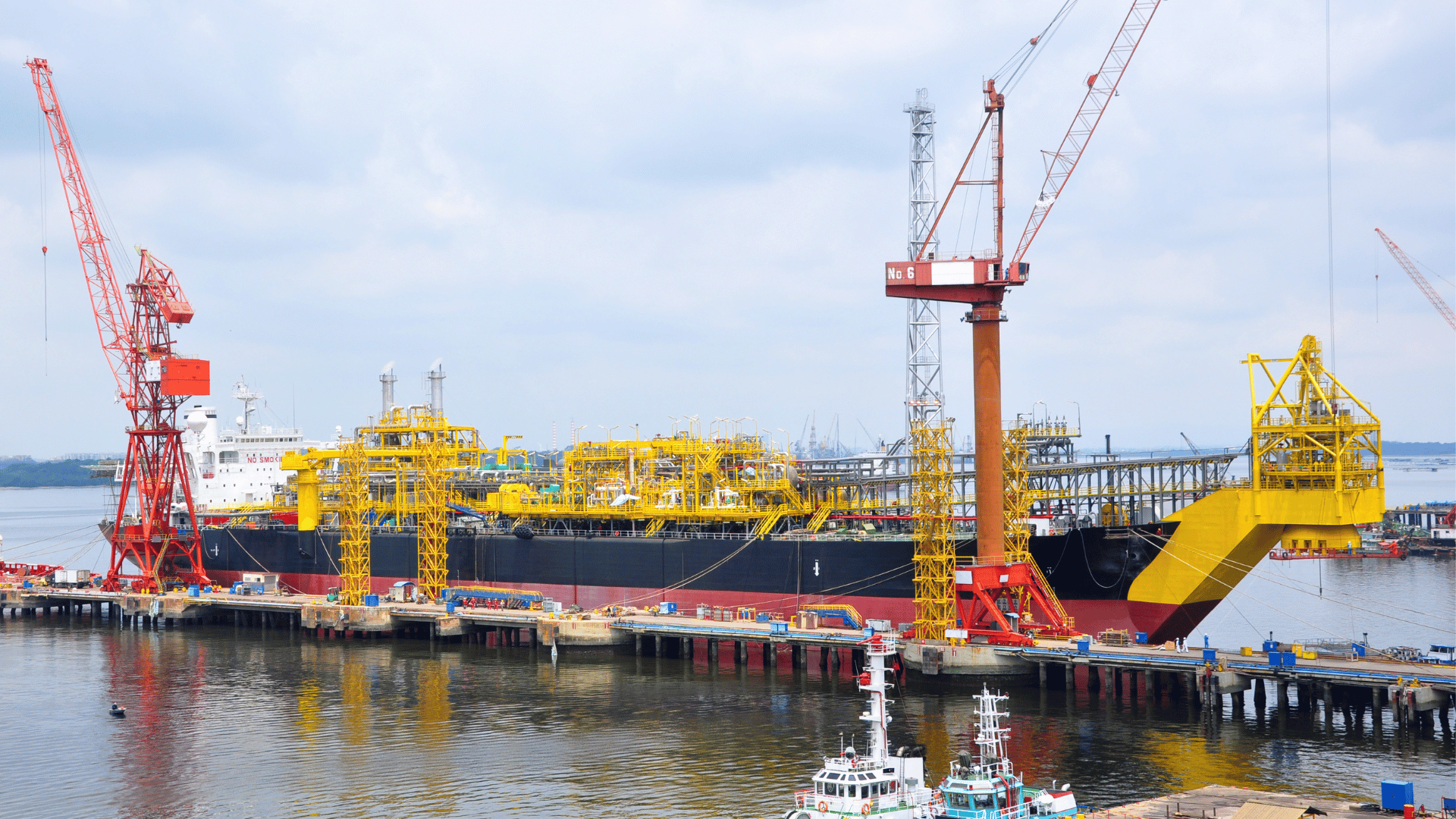
Extended Reach Drilling (ERD) presents unique engineering and operational challenges that require specialized planning and execution. This course delivers an advanced understanding of high angle well construction, hole cleaning, well monitoring, and directional drilling techniques, ensuring safe and efficient drilling of extended reach and complex wells.
This is an operationally focused course that goes beyond the basics of ERD well planning. Participants will gain a deep understanding of risk factors, operational hazards, and best practices to ensure successful well delivery while minimizing wellbore instability, nonproductive time (NPT), and well cost escalation.
The curriculum follows the latest research and addresses the highest risk areas associated with high angle and complex well drilling operations. The course also critically evaluates how proposed tools and techniques may impact project risk, ensuring informed decision making for complex wells.
Participants will gain practical knowledge that can be directly applied to ongoing drilling operations or future well planning. This training has been proven to deliver dramatic improvements in drilling performance, reduce costs, and increase operational efficiency.
All topics are placed in their operational context, ensuring that each subject is interrelated with the overall ERD drilling process.
In Collaboration with Bureau of Safety and Environmental Enforcement (BSEE).
By the end of the course, participants will be able to:
- Understand and mitigate risks in high-angle drilling and hole cleaning
- Analyze torque and drag to extend lateral reach
- Design and optimize Bottom Hole Assemblies (BHA) for ERD wells
- Improve surveying accuracy and reduce positional uncertainty
- Develop ERD-specific operational procedures (tripping, back-reaming, etc.)
- Apply geomechanics principles for wellbore stability and pressure control
- Optimize shock and vibration management
- Apply advanced ERD techniques to enhance drilling performance
This course is suitable for professionals involved in ERD and complex well operations, including:
- Drilling Engineers / Wellsite Supervisors
- Toolpushers / Rig Managers / Field Personnel
- Geoscientists & Reservoir Engineers
- Operations Teams focused on drilling optimization
- Professionals aiming to improve drilling performance and reduce costs
- Intermediate
- Advanced
The course is delivered through a combination of instructor-led interactive sessions, real-world case studies, operational modelling exercises, and simulator-based training using a DS5000-type simulator. Extensive Q&A and open discussion sessions are included throughout to reinforce key concepts and ensure participants can apply the learning to real ERD challenges.
Unlock the potential of your workforce with customized in-house training programs designed specifically for the energy sector. Our tailored, in-house courses not only enhance employee skills and engagement but also offer significant cost savings by eliminating travel expenses. Invest in your team’s success and achieve specific outcomes aligned with your organization’s goals through our expert training solutions. Request for further information regarding our on-site or in-house training opportunities.
In our ongoing commitment to sustainability and environmental responsibility, we will no longer providing hard copy training materials. Instead, all training content and resources will be delivered in digital format. Inspired by the oil and energy industry’s best practices, we are leveraging on digital technologies to reduce waste, lower our carbon emissions, ensuring our training content is always up-to-date and accessible. Click here to learn more.


Extended Reach Drilling is a method for drilling wells over long horizontal distances from one surface location. It helps engineers reach targets far from the rig. Because the well path runs at a high angle, teams must control direction, trajectory, and drilling conditions closely. As a result, this method supports efficient access to offshore, remote, and space-limited fields.
Operators use Extended Reach Drilling to reach more reservoir area from fewer surface locations. For example, one rig can often access targets that would otherwise need extra wells or structures. In addition, this approach can reduce surface impact and improve field development efficiency. However, teams only gain these benefits through careful planning and strong execution.
Extended Reach Drilling becomes harder as well length and inclination increase. Common issues include poor hole cleaning, higher torque and drag, and wellbore instability. These problems can increase nonproductive time and raise costs. They can also lead to stuck pipe or tool damage. Therefore, ERD projects need strong planning, clear procedures, and close real-time monitoring.
Torque and drag directly affect ERD performance. Long, high-angle sections create more friction along the drillstring. Torque rises during rotation, while drag increases when crews run or pull pipe. If these forces grow too high, they can limit reach and slow drilling. Therefore, engineers model them early and use the results to improve the well profile, equipment, and drilling practices.
Extended Reach Drilling relies on tools that improve control and accuracy. These tools include Measurement While Drilling systems, gyro surveys, rotary steerable systems, and real-time monitoring. They help engineers track the well path and reduce positional uncertainty. In addition, modeling and simulation improve planning before drilling starts. During operations, these tools also help crews respond faster to changing conditions.
Teams maintain stability through geomechanics, mud design, and pressure control. First, they study in-situ stress, pore pressure, and rock strength. Then they manage equivalent circulating density, swab and surge pressures, and fluid losses during drilling. In some cases, they also use Managed Pressure Drilling or Underbalanced Drilling. As a result, good stability control helps prevent collapse, losses, and other costly drilling problems.
Related Courses