
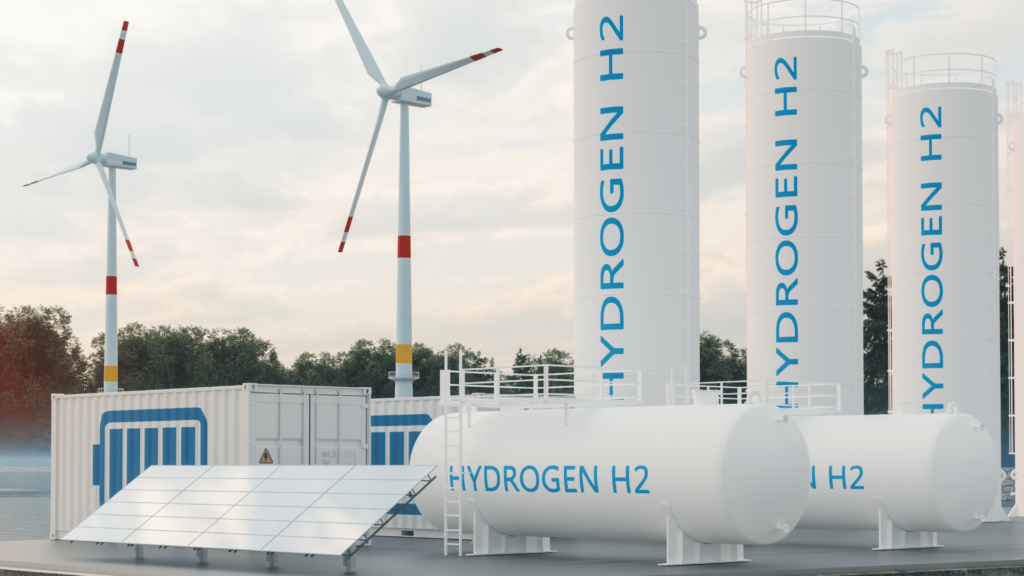
In recent years, green hydrogen has emerged as a promising solution for decarbonizing industry and energy production. Despite its growing popularity, the concept remains complex and confusing for many individuals and organizations. This article explores the world of green hydrogen and breaks down the key ideas behind it. We examine how it is produced and how it can be applied across different industries. Our goal is to provide a clear and practical overview of this emerging resource. Green hydrogen holds significant potential to reshape the global energy landscape and support a more sustainable future.
The Basics of Green Hydrogen Production
- Electrolysis Process: Green hydrogen is produced through electrolysis, a process that uses electricity to split water molecules into hydrogen and oxygen. This can be done using renewable energy sources such as solar or wind power, making the production process environmentally friendly.
- Renewable Energy Integration: The key to green hydrogen production lies in integrating renewable energy sources with electrolysis technology. By using sustainable energy sources, we can create hydrogen without relying on fossil fuels, reducing our carbon footprint and promoting a cleaner future.
- Future Potential: Green hydrogen has the potential to revolutionize various industries by providing a clean source of energy for transportation, heating, and industrial processes. As technology advances and costs decrease, green hydrogen could become a mainstream solution for combating climate change and transitioning towards a more sustainable society.
Understanding the Electrolysis Process
- Electrolysis is a process that uses electricity to split water into hydrogen and oxygen.
- This method requires an electrolyzer, which contains electrodes immersed in water.
- When an electric current passes through the water, it causes the water molecules to break apart.
This process is crucial for producing green hydrogen, as it allows us to harness renewable energy sources like solar or wind power to generate hydrogen without producing harmful emissions. By understanding how electrolysis works, we can appreciate the innovative technology behind green hydrogen production and its potential to revolutionize our energy systems.
Renewable Resources for Green Hydrogen
- Solar Energy: Solar panels can capture sunlight and convert it into electricity through photovoltaic cells. This renewable energy source is abundant, sustainable, and can power electrolyzers to produce green hydrogen.
- Wind Power: Wind turbines harness the kinetic energy of wind to generate electricity. When coupled with electrolysis, this clean and renewable energy form can be utilized to create green hydrogen efficiently.
- Hydropower: By utilizing the gravitational force of flowing water in rivers or dams, hydropower plants can produce electricity that powers the process of electrolysis, enabling the generation of green hydrogen without carbon emissions.
Green Hydrogen Applications in Industry
Green hydrogen offers a multitude of applications across various industries, revolutionizing traditional processes with its sustainable characteristics. In the industrial sector, green hydrogen can be utilized for industrial heating, power generation through fuel cells, and as feedstock for chemical production. This versatile energy carrier enables industries to reduce carbon emissions significantly.
- Industrial Heating: Green hydrogen can replace conventional fossil fuels such as natural gas or coal in industrial heating processes, leading to decreased greenhouse gas emissions.
- Power Generation: Through fuel cells powered by green hydrogen, industries can generate electricity efficiently and cleanly without harmful emissions into the atmosphere.
- Chemical Production: Being a key ingredient in ammonia production and other chemical processes, green hydrogen serves as a cleaner alternative to fossil-derived feedstocks.
With these diverse applications in mind, integrating green hydrogen into industrial operations has tremendous potential to drive sustainability efforts while simultaneously enhancing efficiency and cost-effectiveness.
Challenges and Opportunities in Green Hydrogen Adoption
- Challenges:
- High initial costs of green hydrogen production facilities.
- Limited infrastructure for storage and distribution of green hydrogen.
- Competing with cheaper fossil fuel alternatives in the market.
- Policy framework and regulatory uncertainty impacting investment decisions.
- Opportunities:
- Growing demand for decarbonization solutions driving interest in green hydrogen.
- Advancements in electrolyzer technology reducing costs and improving efficiency.
- Collaborations between governments, industries, and research institutions to promote green hydrogen adoption.
- Potential for renewable energy integration to enhance the sustainability of green hydrogen production processes.
In summary, green hydrogen faces challenges such as high costs and infrastructure limitations. However, growing awareness of its benefits and ongoing technological advances create new opportunities. Collaboration across sectors and strong policy support will be essential to unlock its full potential as a sustainable energy solution.
Policy and Regulatory Frameworks for Green Hydrogen
- Government Support: Many countries are implementing policies to support the development of green hydrogen, such as financial incentives, subsidies, and research funding.
- Regulations: Strict regulations ensure the safety, quality, and efficiency of green hydrogen production and utilization.
- International Cooperation: Collaboration between countries is essential to harmonize standards and create a global market for green hydrogen.
The establishment of clear policy frameworks and regulatory measures is crucial in driving the adoption of green hydrogen technologies on a large scale. Governments must work together to create an enabling environment that fosters innovation and investment in this sector. By aligning policies, regulations, and strategies at both national and international levels, we can overcome the complexities associated with transitioning to a sustainable energy future powered by green hydrogen.
Economics of Green Hydrogen: Costs and Benefits
- Costs: The production of green hydrogen faces challenges due to high initial investment costs. The electrolysis process requires advanced technology, which can be expensive to deploy. In addition, the cost of renewable energy sources such as wind and solar can fluctuate. These variations can directly affect the overall cost of green hydrogen production.
- Benefits: Despite these challenges, green hydrogen offers significant sustainability and flexibility benefits. When produced using renewable energy, it is a clean fuel with zero emissions. This makes it an appealing option for reducing carbon footprints across multiple industries. Green hydrogen can also be stored and transported easily, providing a reliable energy source where direct renewable power is not practical.
- Conclusion: Although the economics of green hydrogen remain complex, its long-term potential is strong. Ongoing improvements in renewable energy are expected to reduce costs and improve efficiency. As a result, green hydrogen may become more affordable and widely adopted. Investing in this technology could support a cleaner energy future while creating new economic opportunities in emerging clean energy sectors.
Future Outlook: Advances in Green Hydrogen Technology
- The future of green hydrogen technology looks promising as researchers and scientists continue to make advancements in production methods.
- Innovations such as electrolyzers that use renewable energy sources like wind and solar power are making the production of green hydrogen more sustainable and cost-effective.
- As governments around the world commit to reducing carbon emissions, the demand for green hydrogen is expected to increase, driving further investment and technological advancements in this field.
Learn more about Hydrogen technology its applications, view related training courses coming up.