About this Training
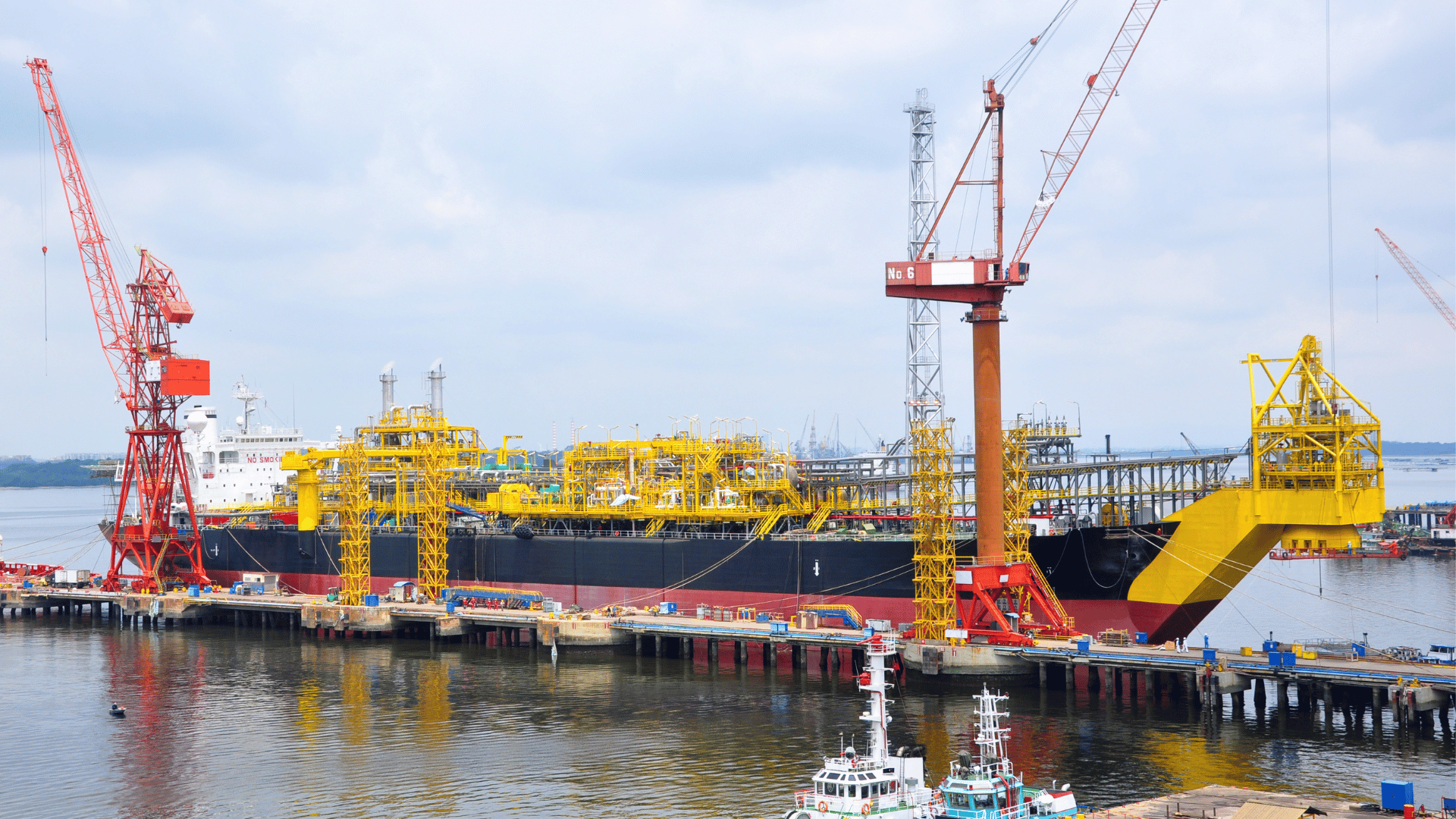
The shipping and ports industry face increasing pressure to reduce its carbon footprint and transition towards sustainable operations due to climate change risks, stricter environmental regulations, market demands, and the need for sustainable financing.
This comprehensive 5-day course provides a holistic understanding of the challenges, opportunities, and pathways for decarbonizing shipping and port activities. Participants will gain insights into key drivers of decarbonization like regulations, market forces, financing mechanisms, and learn to assess risks, analyze strategies, and develop actionable plans. Topics covered include emissions scoping, reporting methodologies, green technologies, industry initiatives, corporate sustainability, net-zero strategies, and the business case for transformation.
Through interactive lectures, case studies and group activities attendees will explore emissions assessment techniques, reporting practices, technology solutions, market implications, risk factors, and pathways to net-zero emissions. The final module focuses on sustainable transformation strategies, barriers, individual roles in driving change, benchmark case analysis, and tailored action planning.
Whether you are a shipping company, port operator, logistics provider, or industry stakeholder, this course equips you with the essential knowledge and tools to navigate the decarbonization journey successfully.
Upon completion of this course, participants will be able to:
- Appreciate the risks and impacts of climate change on the maritime and port industry.
- Identify decarbonization challenges and opportunities in shipping and ports
- Learn the green regulatory commitments and industry standards under which the industry must operate now and in the future.
- Uncover the decarbonization and sustainability requirements of the industry in the eco-system: suppliers, customers, lenders, regulators
- Understand the methods of environmental scoping and reporting in shipping and ports
- Unravel the uncertainty and complexity of decarbonization strategies pathways
- Assess the risks and articulate the pathways to net zero that the industry is pursuing
- Analyse green and sustainability transformation plans in shipping and ports
This course will be relevant to ship owners or operators, port and terminals operators, marine logistics and supply chain companies, marine fuels suppliers, classification societies, government shipping and port regulators and sustainable or green financing institutions.
- Sustainability Managers/Officers
- Environmental Compliance Officers
- Fleet Operations Managers
- Technical or Engineering Superintendents
- Marine Decarbonisation Planners
- Vessel Energy Efficiency Managers
- Port Facility Managers
- Terminal Operations Managers
- Supply Chain Decarbonisation Managers
- Bunkering Operations Managers
- Environmental Policy Officers
- Maritime Emissions Regulators
- Climate Change Mitigation Officers
- Green Shipping Finance Managers
- ESG Investment Analysts
- Basic
- Intermediate
This course utilizes a blend of interactive lectures, case studies, and group activities to provide a comprehensive understanding of decarbonization in shipping and marine ports. Participants will explore key regulations, green technologies, and sustainability strategies through expert-led discussions and real-world examples. Hands-on exercises will guide attendees in assessing emissions, analyzing risks, and developing actionable net-zero transformation plans, while industry benchmarks and case analyses enhance practical learning.
Unlock the potential of your workforce with customized in-house training programs designed specifically for the energy sector. Our tailored, in-house courses not only enhance employee skills and engagement but also offer significant cost savings by eliminating travel expenses. Invest in your team’s success and achieve specific outcomes aligned with your organization’s goals through our expert training solutions. Request for further information regarding our on-site or in-house training opportunities.
In our ongoing commitment to sustainability and environmental responsibility, we will no longer providing hard copy training materials. Instead, all training content and resources will be delivered in digital format. Inspired by the oil and energy industry’s best practices, we are leveraging on digital technologies to reduce waste, lower our carbon emissions, ensuring our training content is always up-to-date and accessible. Click here to learn more.


Related Courses