About this Training Course
As the global energy landscape accelerates its transition toward lower-carbon solutions, Liquefied Natural Gas (LNG) remains a vital bridge fuel and a cornerstone of modern energy security. Driven by international climate commitments and the urgent need to cut greenhouse gas emissions, energy markets are rapidly evolving, yet the demand for resilient, flexible offshore gas storage and regasification continues to expand in the face of geopolitical and economic shifts.
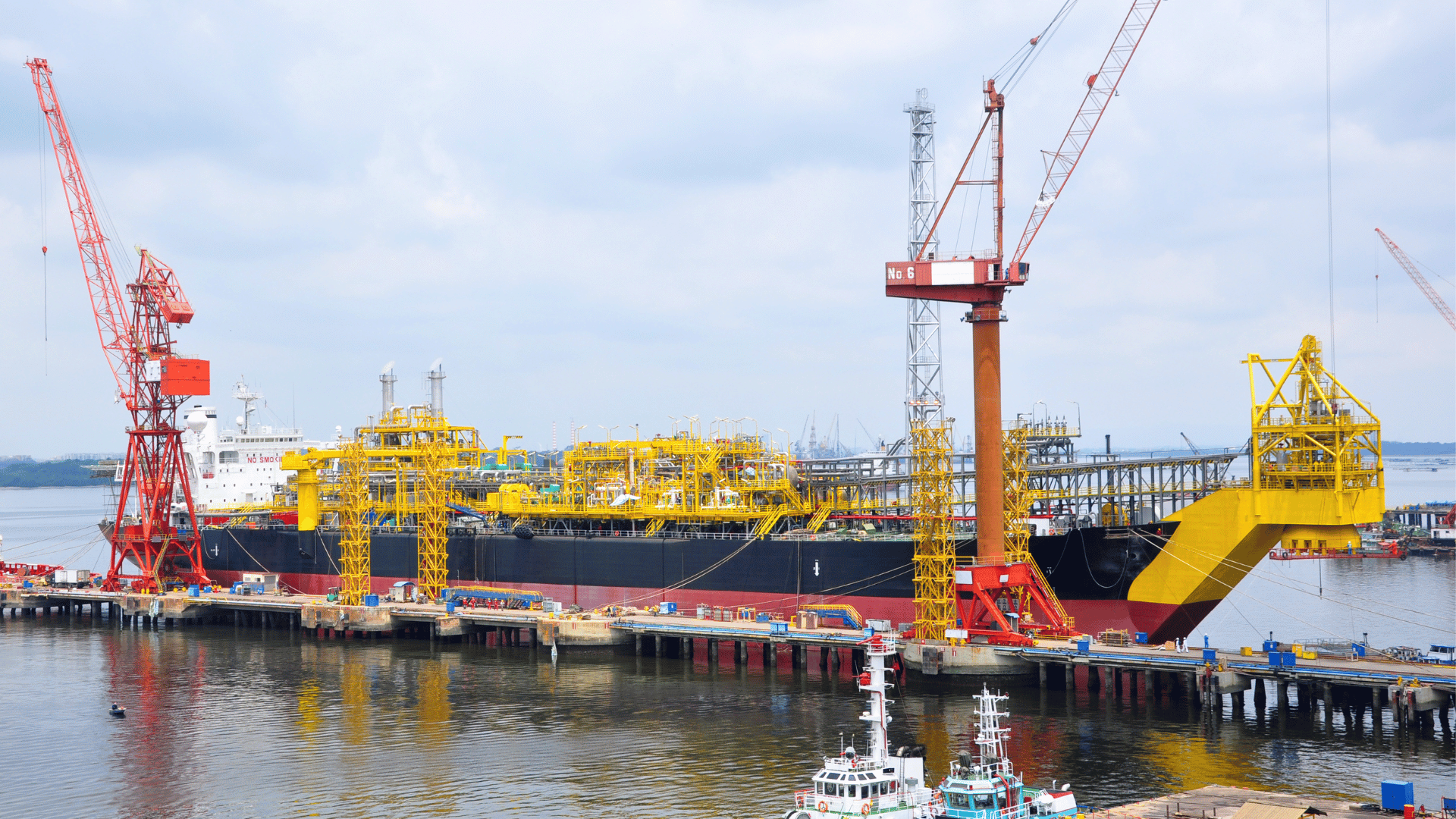
Designed for industry professionals who cannot afford to miscalculate complex project risks, this intensive three-day program equips engineers, project managers, and operators with the practical insights needed to master offshore LNG infrastructure. This course adopts a proactive approach to addressing both current and future challenges in offshore gas production, storage, and transportation.
- Analyze the evolution of FSRU technologies and competitive designs.
- Evaluate the best LNG floater options based on future needs and demand forecasts.
- Identify emerging standards, codes, and design criteria for next-generation FSUs and FSRUs.
- Assess the impact of design choices on Ship-to-Ship (STS) transfers and transportation.
- Examine the influence of regulatory regimes and the strategies of O&G majors, spot traders, and storage terminals.
- Explore the potential of digital technologies and remote operations to enhance FSRU performance.
- Integrate design features that allow for the seamless redeployment of FSUs/FSRUs with minimal adjustments.
Upon completion of the course and review of real-life case studies, the participants would have enhanced their knowledge base and be able to:
- Comprehend a broad overview of FSRU market segments by geography and their design types & characteristics in context of new developments.
- Understand the prevailing key design and technology considerations for FSRU design & construction.
- Identify the critical design requirements, codes and standards which govern FSRU design.
- Standardise the main CCS, Cryogenic systems, its typical load bearing & sloshing capabilities and flexibilities.
- Understand emerging design considerations for Hull, Mooring, Swivels & Fluid Transfers Systems and Risers.
- Understand the importance of Custody Transfer Systems and role of cyber-technologies for export and STS requirements.
- Develop an overview of a bidding proposal for a FSRU design & development project and the key factors for success.
This course is highly recommended for personnel involved in LNG Tankers, FSRU and FLNG projects who require specific knowledge for taking decisions on suitable design options and technology. This includes:
- Power Plant Operators and Owners
- Project Proposals and Bidding Team Members
- Conceptual Design Engineers, Development Engineers, Engineering & Integration Managers
- Naval Architects, FSU / FSRU Project Managers
- Current and future Offshore Installation Managers, Process Engineers, Operations Managers and HUIC (Commissioning) Engineers
- Intermediate
The course will be delivered in modular interactive sessions during the eight hours per day, with coffee & lunch breaks. Individual exercises and group-based case studies are focused on the application of principles and lessons learned during the interactive discussions and presentations. The participants are expected to study cases and exercises before attending the respective course sessions. Participants are also free to continue discussions with the instructor after the end times of the sessions, if desired.
- Tenaga Nasional Berhad (TNB)
Unlock the potential of your workforce with customized in-house training programs designed specifically for the energy sector. Our tailored, in-house courses not only enhance employee skills and engagement but also offer significant cost savings by eliminating travel expenses. Invest in your team’s success and achieve specific outcomes aligned with your organization’s goals through our expert training solutions. Request for further information regarding our on-site or in-house training opportunities.
In our ongoing commitment to sustainability and environmental responsibility, we will no longer providing hard copy training materials. Instead, all training content and resources will be delivered in digital format. Inspired by the oil and energy industry’s best practices, we are leveraging on digital technologies to reduce waste, lower our carbon emissions, ensuring our training content is always up-to-date and accessible. Click here to learn more.

Learn what past participants have said about EnergyEdge training courses
The wall study was very good. It would be good to also include simulation processes which can improve the key learnings
Chief Engineer, Maran Tankers Management
The instructor is a good consultant and very professional and knowledgeable, he raised my interest in knowing more about maritime laws
Senior Buyer, Bibby Offshore
Superb presentation. Definitely a Guru!
Head of Marine Audit, Icon Offshore
Related Courses