About this Training Course
Procurement in the upstream oil and gas industry has evolved from a routine purchasing function into a strategic contributor to operational performance and value creation. It supports cost control while helping organisations secure reliable supplies of specialised, high-technology and critical equipment for projects and operations, including those in remote and offshore locations.
The procurement function co-ordinates complex global sourcing and logistics, so that the right materials are available when and where they are needed, in accordance with specifications, schedules and budgets. As a core part of the supply chain, effective procurement contributes to efficiency, project delivery and competitiveness.
Procurement also requires sound governance. Buyers must recognise exposure to corruption and apply responsible purchasing practices that support corporate social responsibility (CSR), ethical compliance and local content development.
This foundation course introduces the purchasing process, key procurement functions, supplier management, contractual terms and international freight forwarding.
By the end of the course, participants will be able to:
- Explain the purpose and objectives of the supply chain in upstream oil and gas, and compare its characteristics with manufacturing supply chains.
- Identify emerging supply chain technologies, including end-to-end tracking, data integration, real-time monitoring, inventory forecasting and collaboration with suppliers and logistics partners.
- Describe the responsibilities of purchasing, expediting, inspection, transit/shipping and material management within the procurement function.
- Outline the procurement process from defining and scheduling requirements through supplier qualification, consultation, bid evaluation, negotiation, award, order follow-up and vendor performance evaluation.
- Recognise purchasing risks and use procurement practices that support compliance with specifications, timing, budgets and the seven golden rules/PDCA approach.
- Understand standard general terms and conditions of purchase, supplier obligations, financial provisions and the usual content of purchasing documents and purchase orders.
- Explain the principles of responsible purchasing, CSR, ethical compliance and local content development.
- Create value through supplier selection, performance evaluation and purchasing process improvements, while helping secure international supply through effective freight forwarding and transport controls.
- Recognise the roles of freight forwarders, Incoterms 2020, insurance, customs requirements, cargo packing and logistics innovations.
This course is designed for professionals involved in purchasing or contributing to the industrial equipment procurement process, including:
- Buyers, Purchasers or Procurement professionals seeking to develop or adopt best practice industry procurement practices.
- Expediters, Stock Controllers, Cost Controllers and Transportation professionals involved in the wider supply chain.
- Supply Chain, Logistics Administrators and Support Personnel within technical departments who interact with procurement teams.
- Basic
The course combines instructor-led presentations, practical case studies, and individual and group exercises to reinforce key procurement concepts. Interactive learning activities encourage active participation and real-world application, supported by comprehensive reference materials. Pre- and post-training assessments evaluate knowledge acquisition and learning progress.
Unlock the potential of your workforce with customized in-house training programs designed specifically for the energy sector. Our tailored, in-house courses not only enhance employee skills and engagement but also offer significant cost savings by eliminating travel expenses. Invest in your team’s success and achieve specific outcomes aligned with your organization’s goals through our expert training solutions. Request for further information regarding our on-site or in-house training opportunities.
In our ongoing commitment to sustainability and environmental responsibility, we will no longer providing hard copy training materials. Instead, all training content and resources will be delivered in digital format. Inspired by the oil and energy industry’s best practices, we are leveraging on digital technologies to reduce waste, lower our carbon emissions, ensuring our training content is always up-to-date and accessible. Click here to learn more.

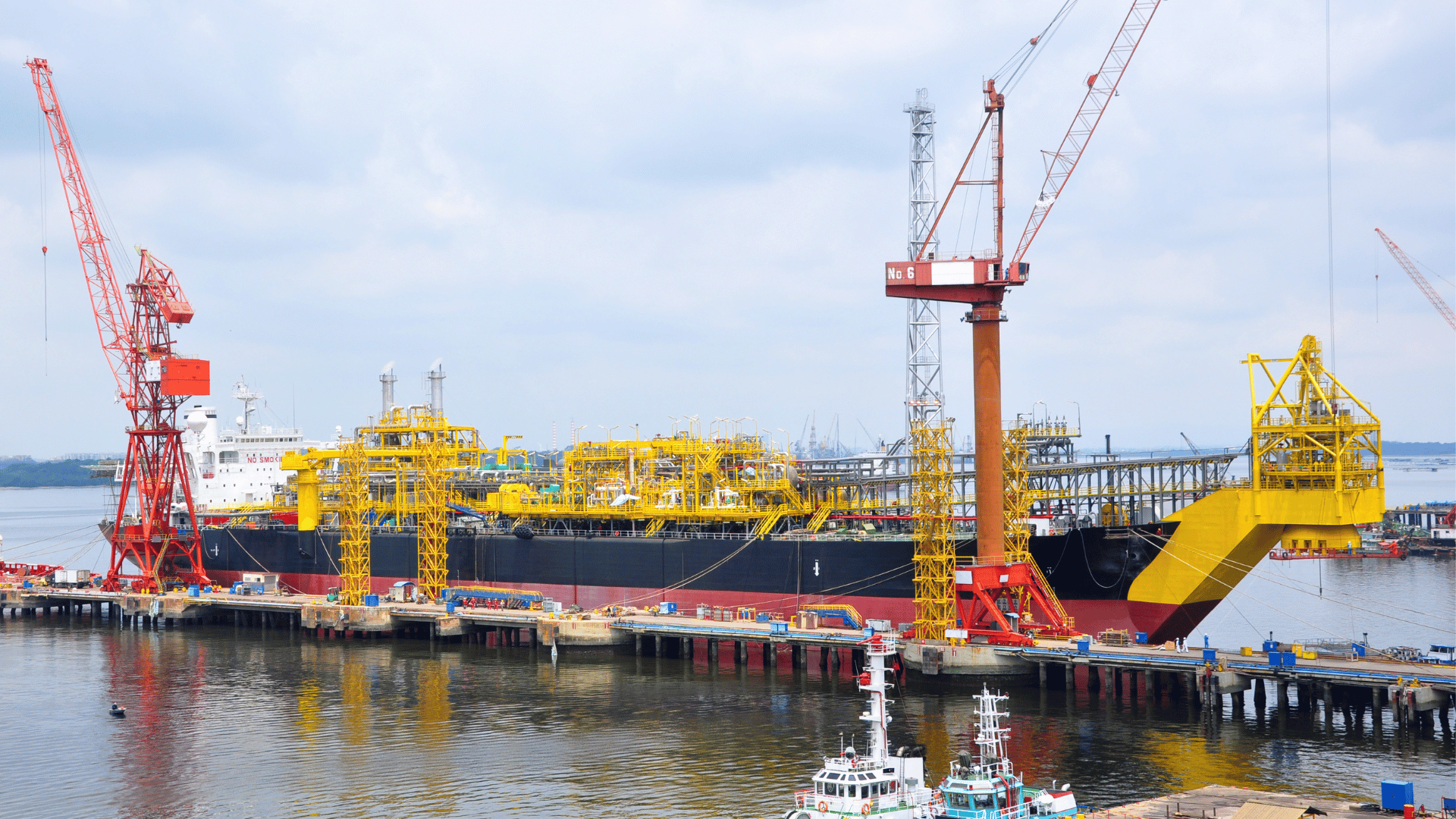
Industrial equipment procurement in oil and gas covers sourcing, purchasing, inspecting, and delivering equipment for exploration and production. First, teams define equipment needs and technical standards. Next, they assess suppliers and compare bids. Finally, they place orders and track deliveries to control costs and avoid delays.
Manufacturing buyers often order standard parts in steady volumes. In contrast, upstream oil and gas projects may need specialised equipment for remote or offshore sites. As a result, buyers must plan for long lead times, strict safety standards, and complex shipping. They also need to check each supplier's technical ability.
First, buyers define equipment needs and technical requirements. Next, they assess suppliers, request bids, and compare technical and price offers. After that, they agree on contract terms and issue purchase orders. Finally, teams track progress, inspect equipment, arrange delivery, and review supplier performance.
Global sourcing gives companies access to more suppliers, advanced equipment, and competitive prices. However, delivery delays, customs rules, and supplier issues can increase costs. To reduce these risks, buyers use supplier checks, clear contracts, and regular order tracking. In addition, responsible purchasing supports fair business practices and local content development.
Incoterms 2020 clarify delivery duties, costs, and transport risks between buyers and sellers. Therefore, both parties can plan shipments and avoid misunderstandings. Meanwhile, freight forwarders coordinate transport, shipping documents, and customs clearance. In addition, proper packing and cargo insurance help protect sensitive equipment during transport.
Related Courses