
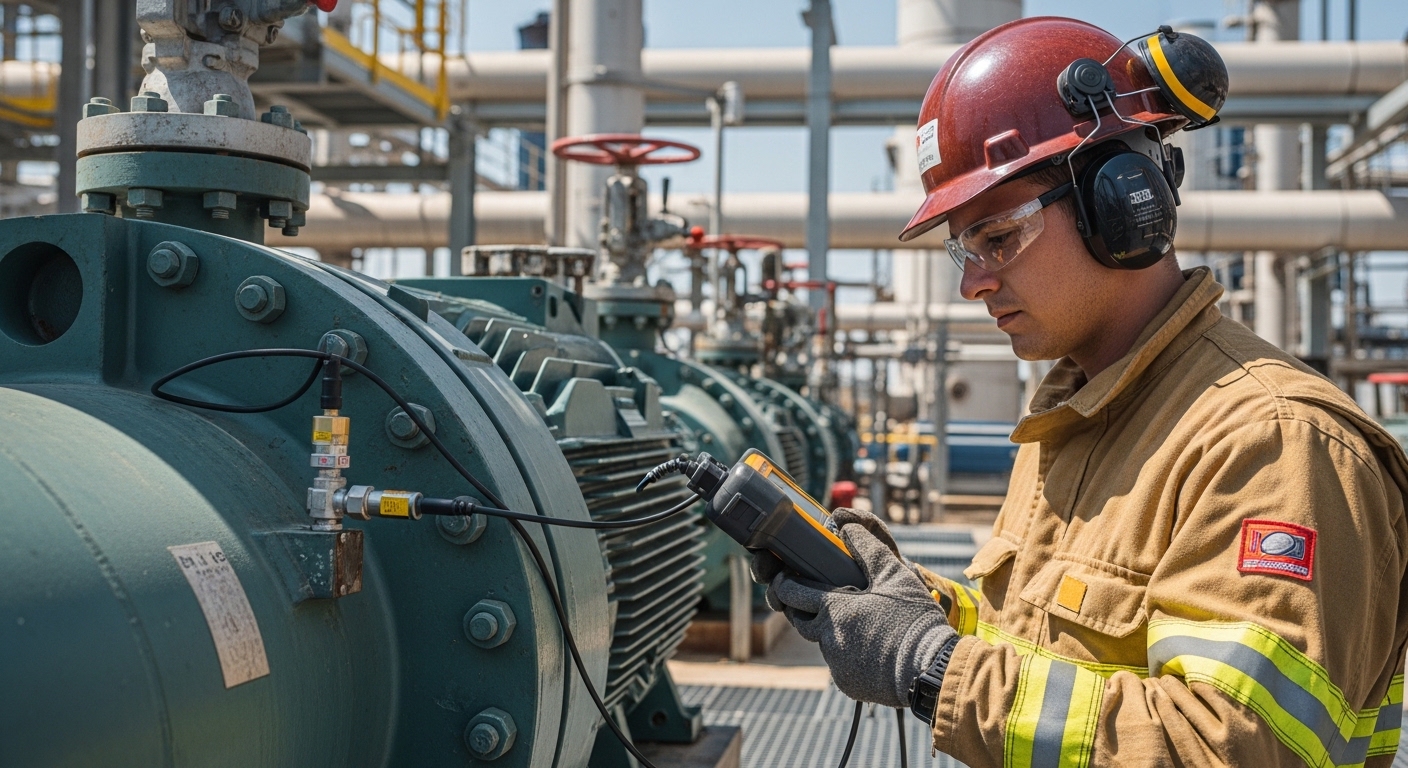
Reliability engineering in oil and gas has become a board-level topic again, but the industry’s operating model remains predominantly maintenance-led. Across upstream, LNG, midstream and downstream assets, many organisations still manage performance through work order volume, turnaround execution and short-cycle cost controls—rather than through a disciplined system of failure-mode governance. The result is familiar: periods of stability punctuated by forced interventions, deferment decisions made under time pressure, and recurring “bad actors” that survive multiple budget cycles.
Tag Archives: Oil and Gas
Closing the LNG Skills Gap – Why Certification Alone Isn’t Enough
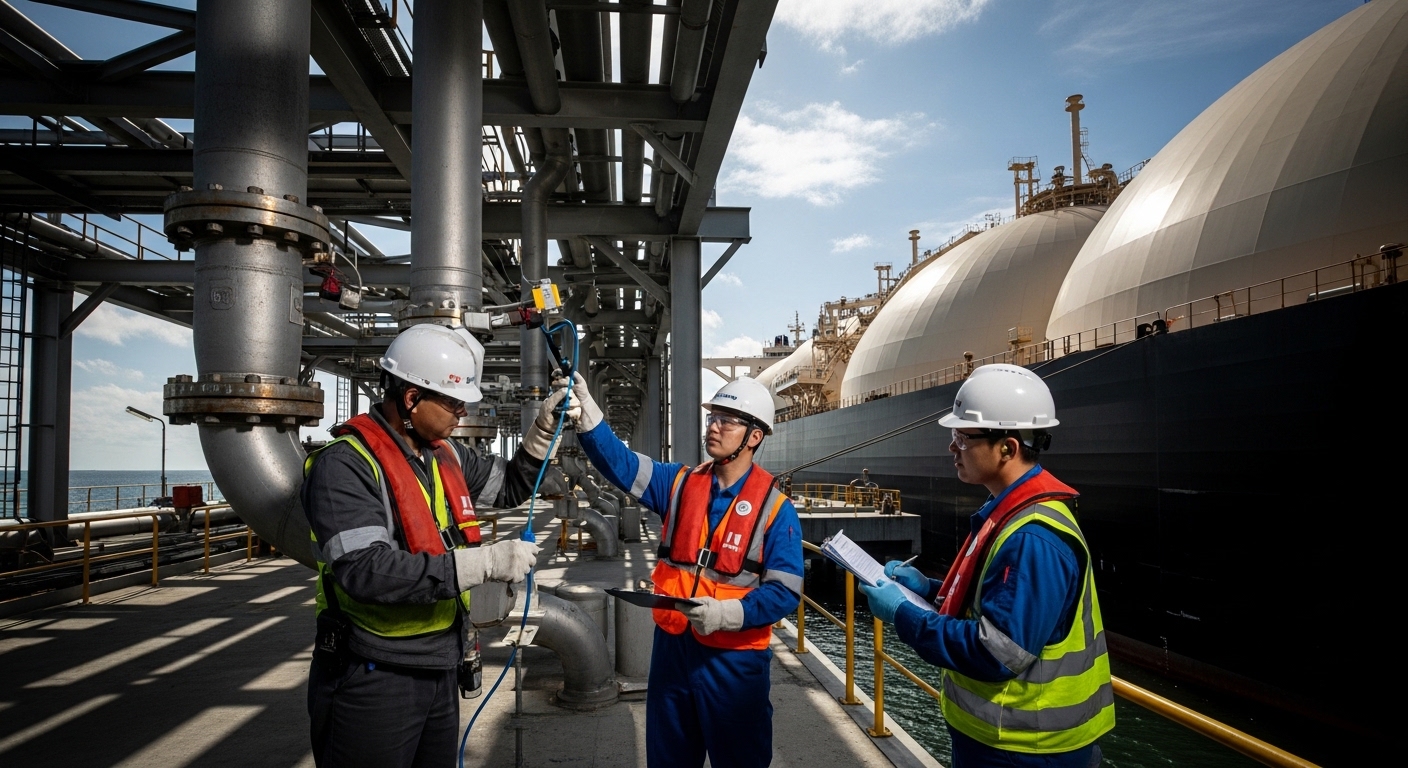
The LNG industry has entered a phase where operational execution matters as much as capital delivery. New trains, phased start-ups and project restarts are increasing the number of “first-time” operating scenarios. At the same time, many organisations are thinning their most experienced shift and maintenance cohorts. The result is a familiar but widening risk: workforces look qualified on paper, yet struggle to perform consistently under real plant conditions.
Procurement and Supply Chain in Oil & Gas: Powering the Energy Transition

Procurement and supply chain in oil and gas are undergoing a quiet revolution. Once seen as back-office functions, they now drive strategy, resilience, and sustainability across the energy sector. Through digital transformation, smarter sourcing, and stronger supplier relationships, procurement teams are shaping how projects are delivered, risks are managed, and the energy transition is achieved.
Oil and Gas Exploration Grows Amid Global Demand Shifts
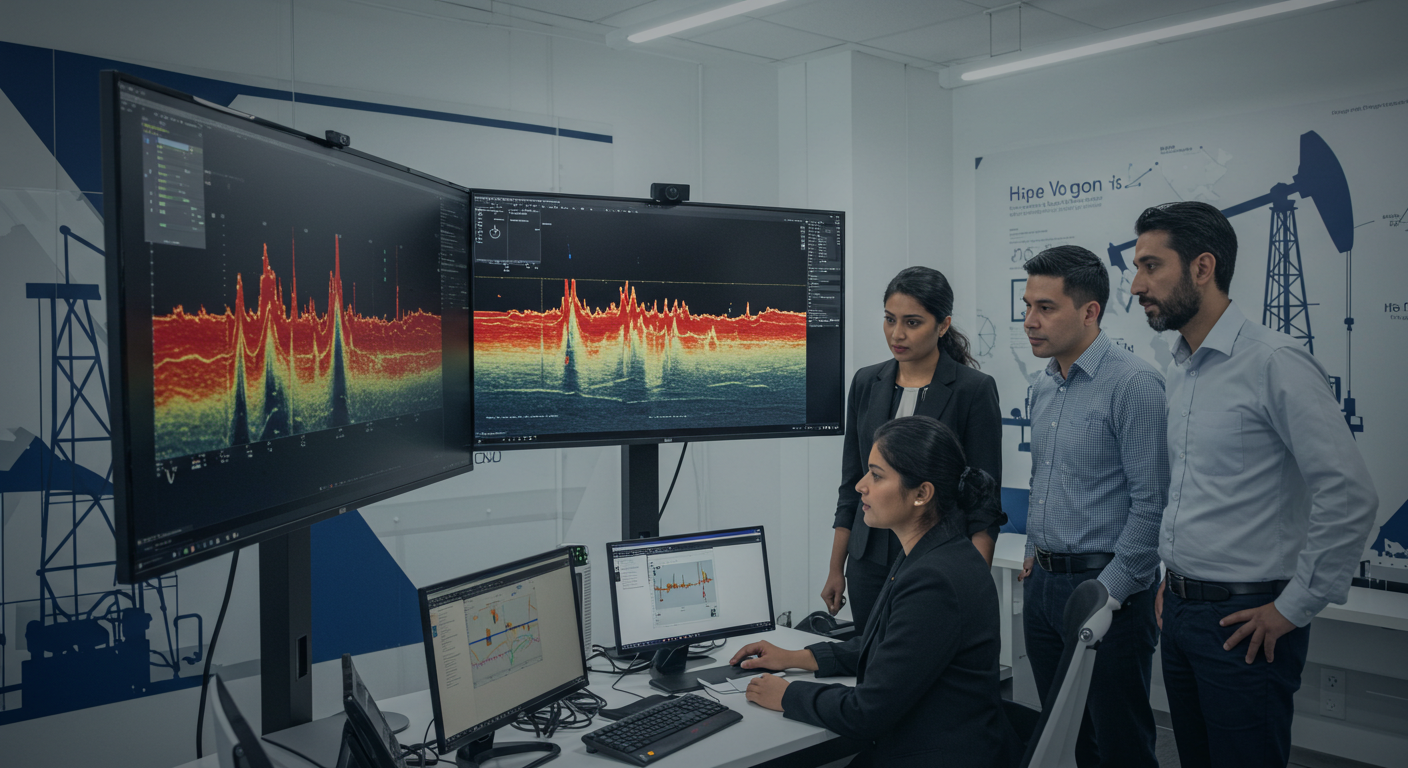
The oil and gas exploration sector is experiencing a remarkable resurgence. As detailed in David Brown’s March 2025 article in the AAPG Explorer, titled “Oil and Gas Exploration is ‘Thriving and Making Money,’” the industry is not only rebounding but also proving profitable. This commentary delves into the facts and findings from the article. It examines why exploration is flourishing, where it’s happening, and what it means for the future.
The Transformative Role of AI and Data Analytics in the Oil and Gas Industry
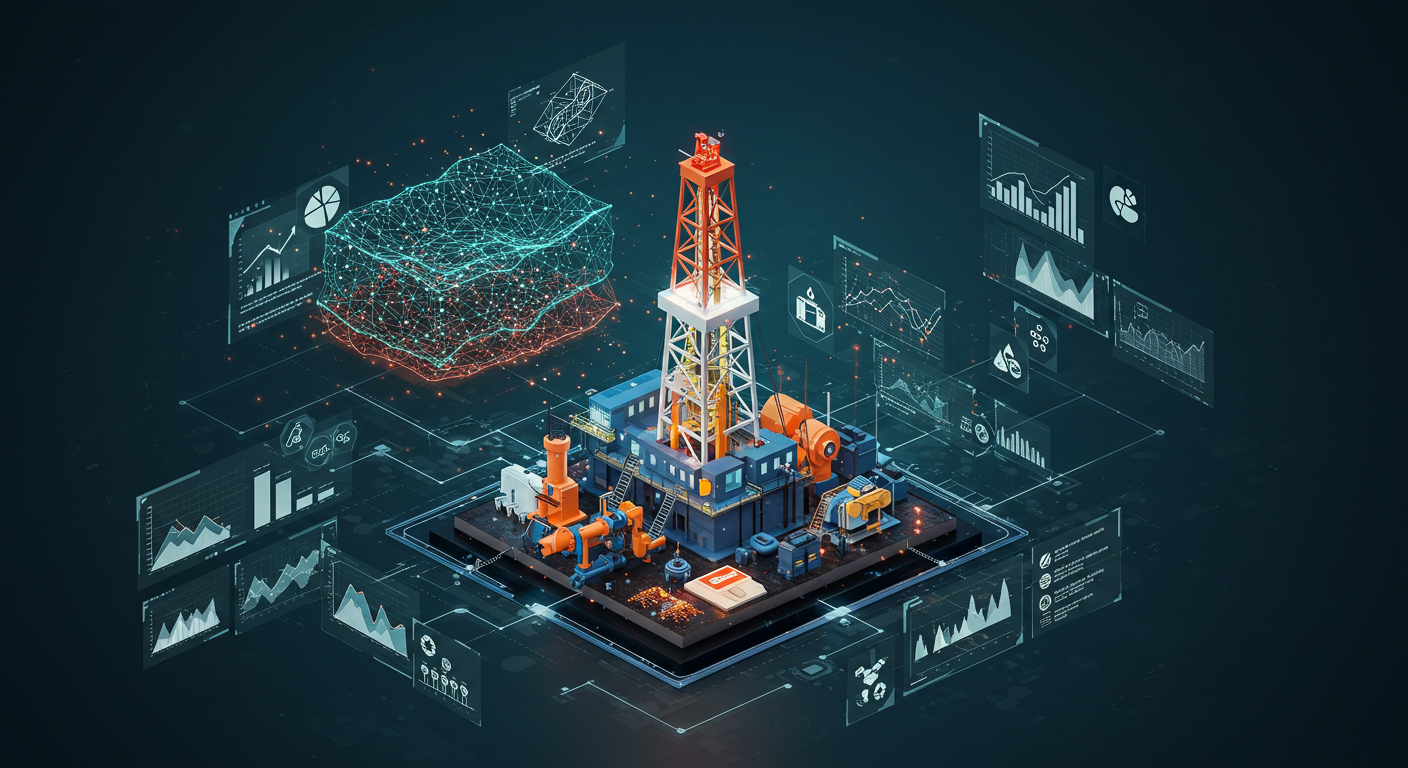
The oil and gas industry, long characterized by its reliance on manual processes and legacy systems, is undergoing a digital revolution. Artificial Intelligence (AI) and data analytics are driving unprecedented efficiencies, cost savings, and sustainability improvements across the sector. From predictive maintenance to reservoir optimization, these technologies are reshaping how companies explore, extract, and deliver […]
Optimizing Risk & Volume Assessments in Mixed Hydrocarbon Fields

In many basins there are hydrocarbon fields containing both oil and gas. Often with a wide range of relative amounts of gas and oil: from only oil to only gas, and every conceivable gas-oil mix in between these two endmembers.
How should we do Risk & Volume Assessment of prospects in those settings?
Exploring Stratigraphic and Combination Traps: Definitions, Risks, and Applications

Petroleum traps are normally classified as structural traps or stratigraphic traps, and sometimes the somewhat confusing term ‘combination trap’ is used. The difference between structural and stratigraphic traps seems easy enough: Definitions of combination traps usually state that these are traps with both a structural and a stratigraphic component. That is a bit confusing. Most […]
Data Acquisition for Exploration: Risk Reduction or POS Polarisation?

Acquiring additional data in a basin (for example seismic acquisition or reprocessing) tends to be a costly and time-consuming affair. In many cases data acquisition programmes are simply considered an essential pre-requisite for doing exploration. However, justification to carry out such work can also be based on Value of Information (VoI) assessments. Data acquisition for […]
Prospect Police versus the Socratic Method

Prospect Review Teams and prospect review sessions are not always very popular. Many explorers are dreading the moment when their prospects must be reviewed. Especially younger explorers may feel exposed and uncertain. Some explorers become rather defensive, and some review teams may be a bit harsh in their challenges and can be rather intimidating. What […]
The Bull’s Head Risk Matrix: A Data-Driven Approach to Risk Assessment
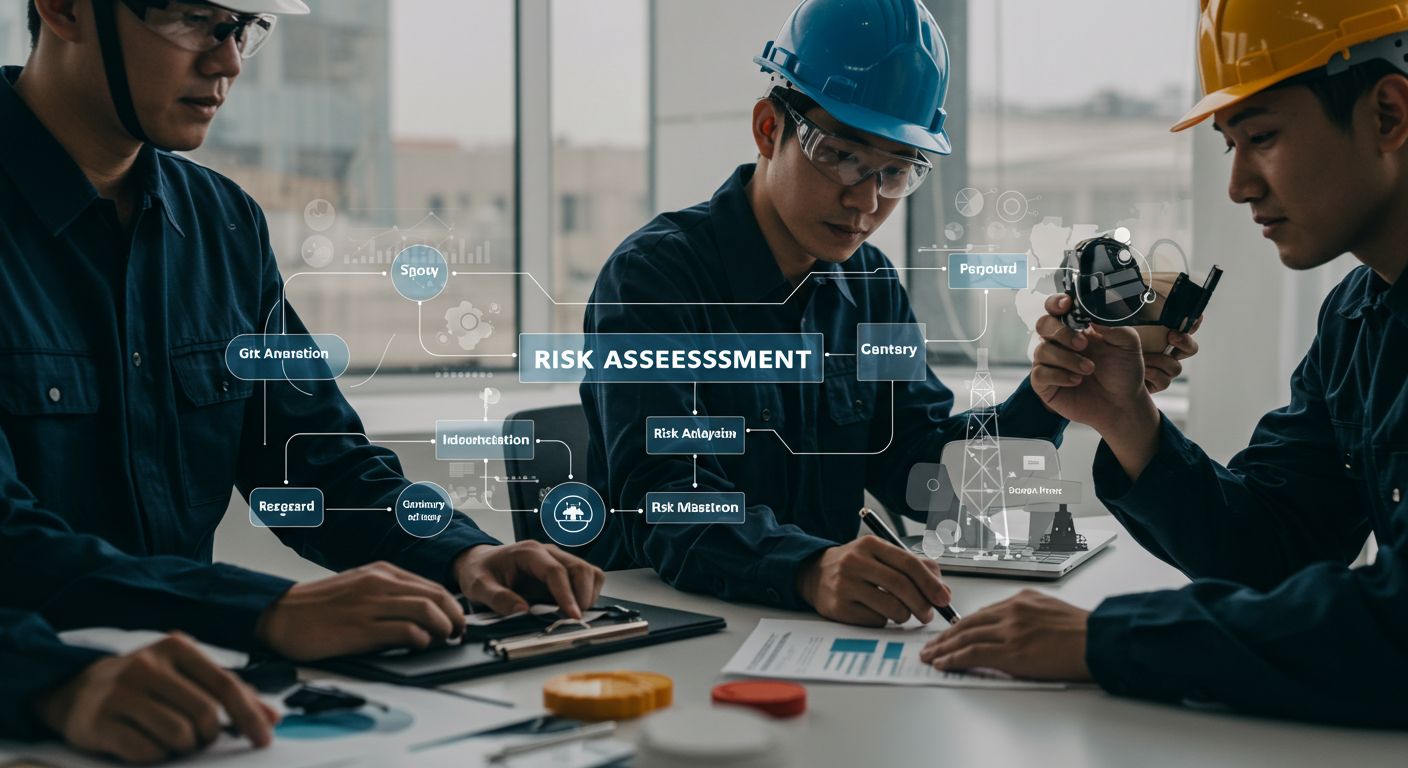
The Bull’s Head Risk Matrix is developed to assist risk assessment, which, by nature, is a subjective affair. The Risk Matrix forces us to base the assessment as much as possible on data, information and understanding, making the assessment as objective as possible. While the matrix was developed for oil and gas exploration, it can […]
Reporting Risk & Volume Assessments: Key Insights and Best Practices

How to understand and report Prospect Volumes The results of Risk & Volume assessments of prospects are often communicated by quoting the POS and the MSV. For example: The POS of the prospect is 45%, and the MSV is 14.7 million barrels of oil. It looks like this says that there is a chance of […]
Rethinking Trap Distribution Through Seal Effectiveness

Just like reservoirs also seals can be good, or not so good. There is a whole spectrum of lithologies from excellent reservoirs to excellent seals. In fact, most seals leak. Some leak very fast, and then the seal is not effective; others leak not so fast or maybe very slowly, even at geological timescales, and then the seal is effective.
Oil & Gas, Power Utilities and Renewable Energy Training: FAQs

To help you better understand EnergyEdge’s offerings and services, we have created this FAQ section. Here, we answer common questions about training courses, including course types, durations, locations, and registration steps. Whether you want to advance your skills or you represent an organisation seeking customised training, this guide supports your learning journey. Moreover, if you […]